Michael Andersen & Sons Negro Series Variations
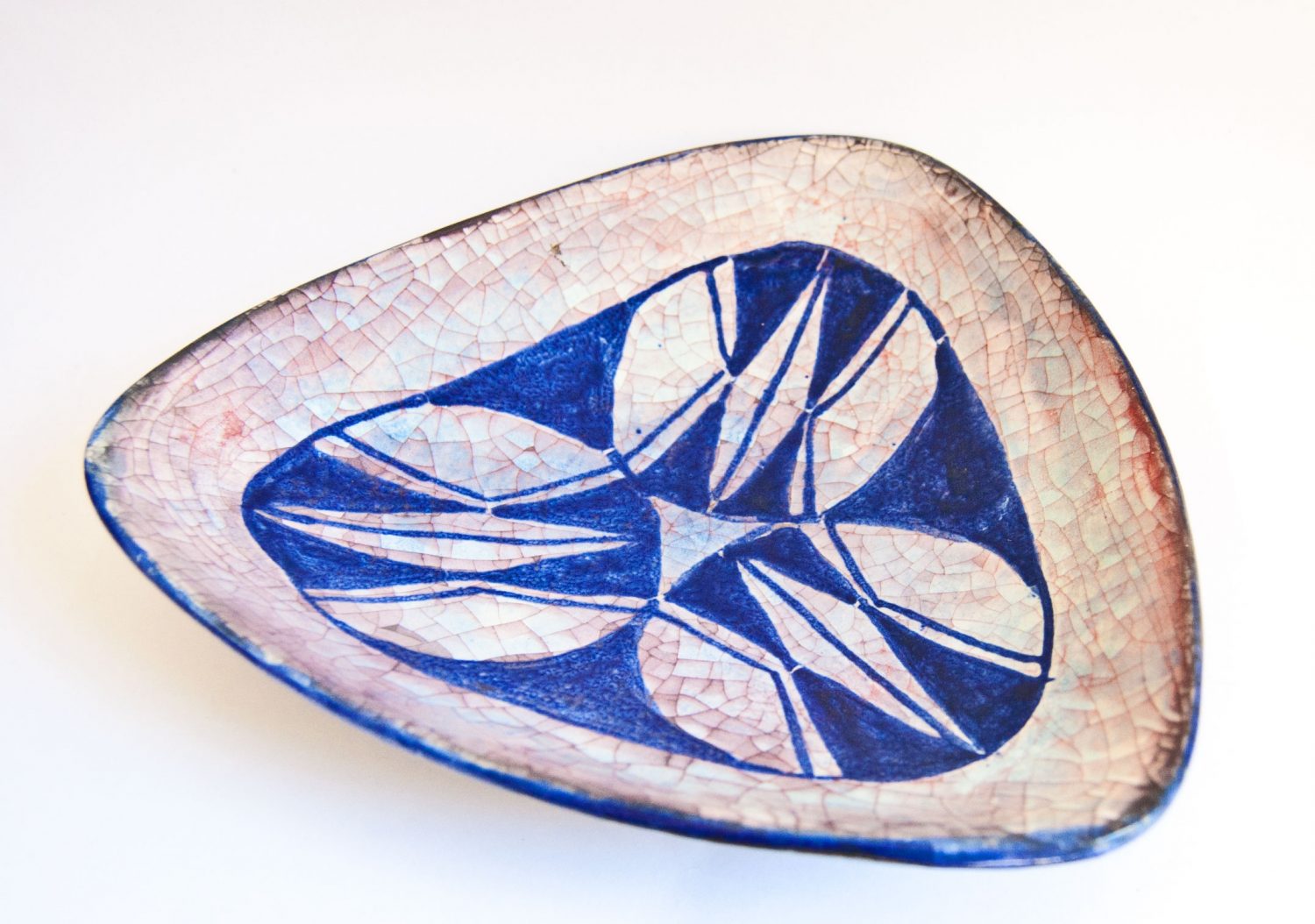
The "Negro Series" sometimes referred to as the "Tribal" series was designed by Marianne Starck in the 1950s for Michael Andersen & Sons on the island of Bornholm, Denmark.
Jul 12

The "Negro Series" sometimes referred to as the "Tribal" series was designed by Marianne Starck in the 1950s for Michael Andersen & Sons on the island of Bornholm, Denmark.
May 25

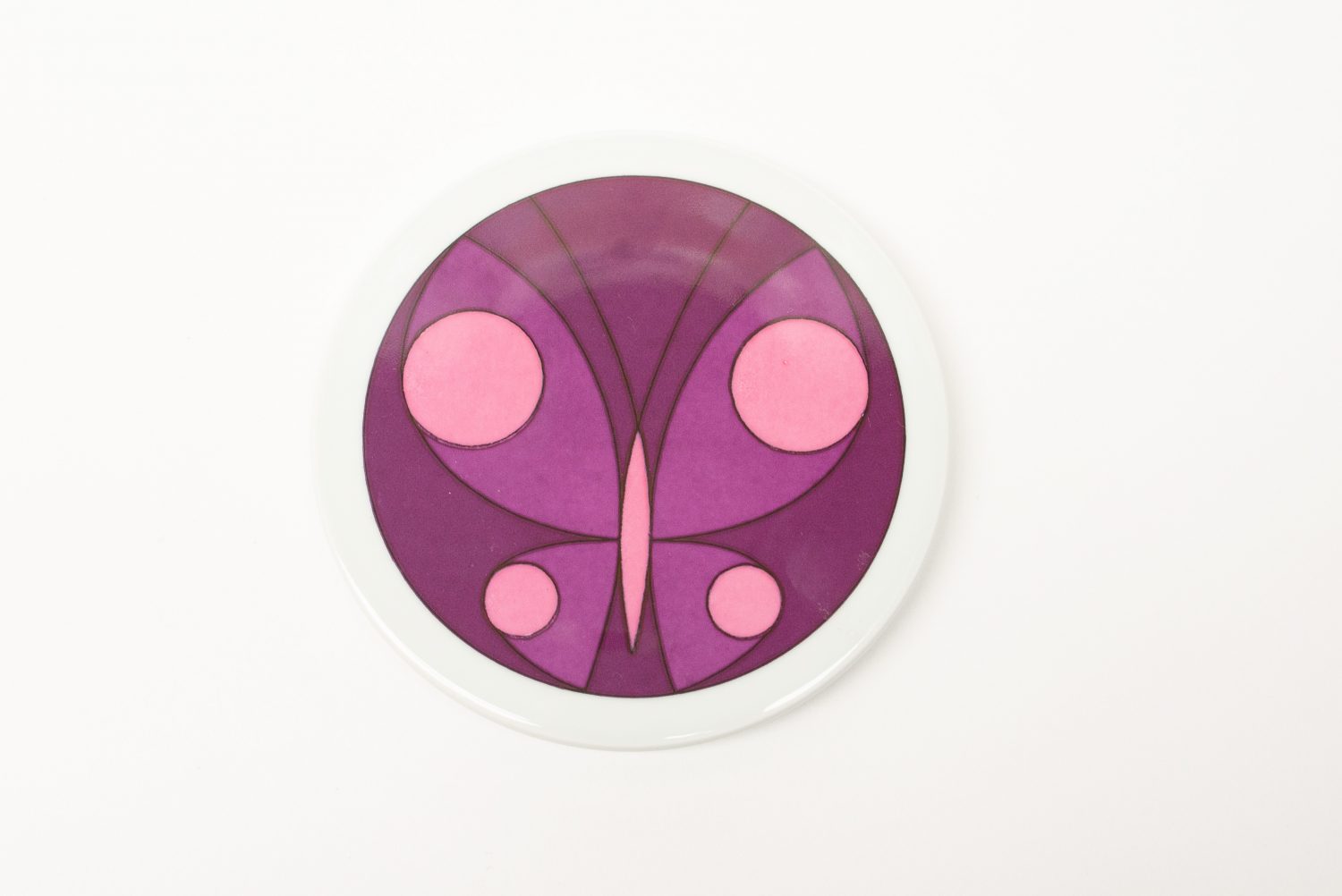
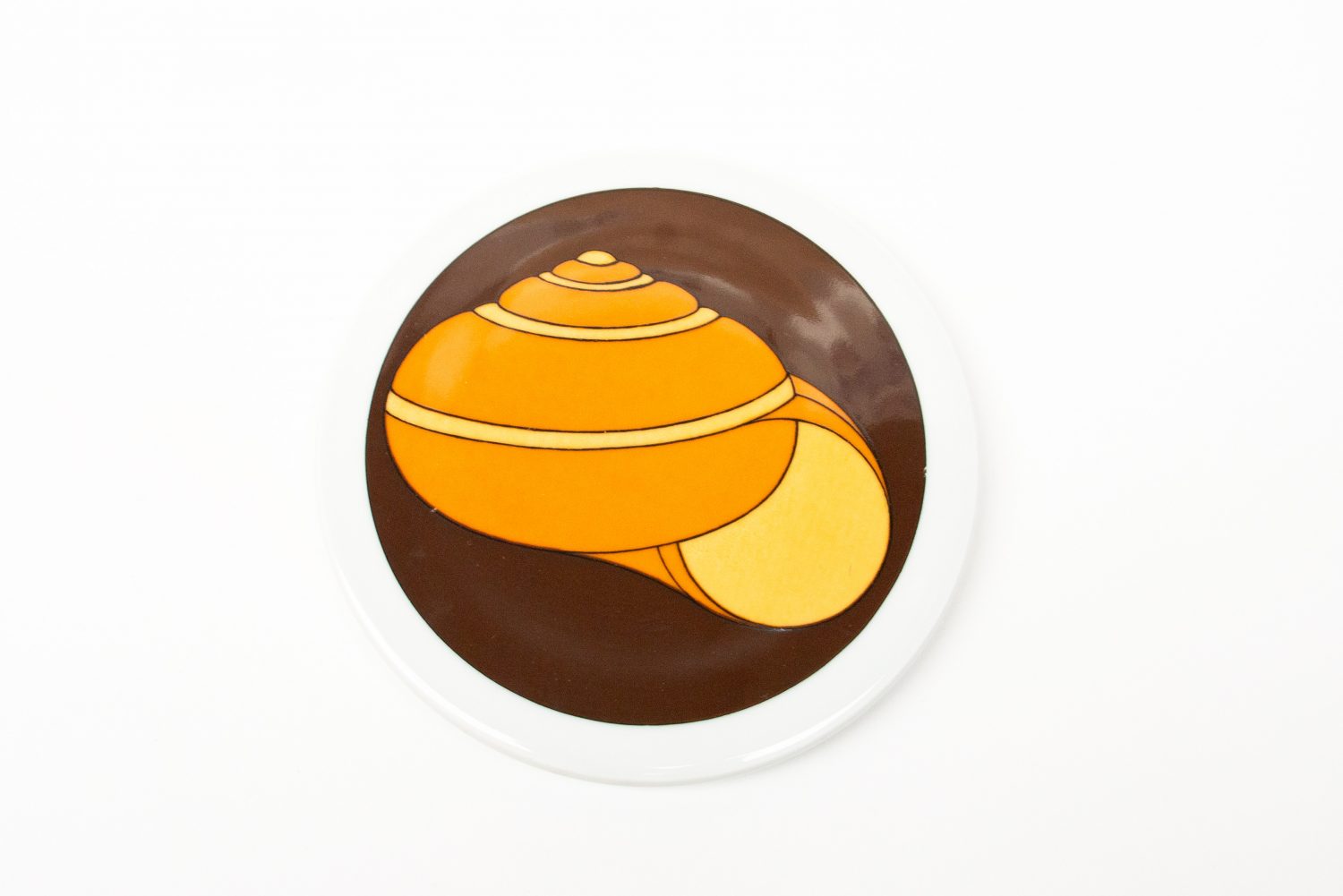
Ib Antoni (1929-1973) was a very well known and much loved graphic designer before his untimely death in 1973. He is known world wide for his now iconic poster design, especially for the posters of The Little Mermaid, Tivoli and Copenhagen.
I never knew until I discovered the ceramic wall plaques pictured in this post, that Antoni had designed a whole series of charming and very smart graphical and colourful designs for Bing & Grondahl – I presume late 1960s, early 1970s going by the style of design. The use of flat, graphical areas of bold colour, subtle detailing and outlining, really makes these designs pop.
I’m not sure how many designs were in the series, but from what I can make out, each of the stylised creatures represented on the plaques has at least 2 different versions. Absolutely charming…and unique.
I discovered also that some of these designs were made into carpets/rugs for Egetæpper and Unika Væv Denmark.
Ib Antoni for Bing & Grondahl
Ib Antoni for Bing & Grondahl
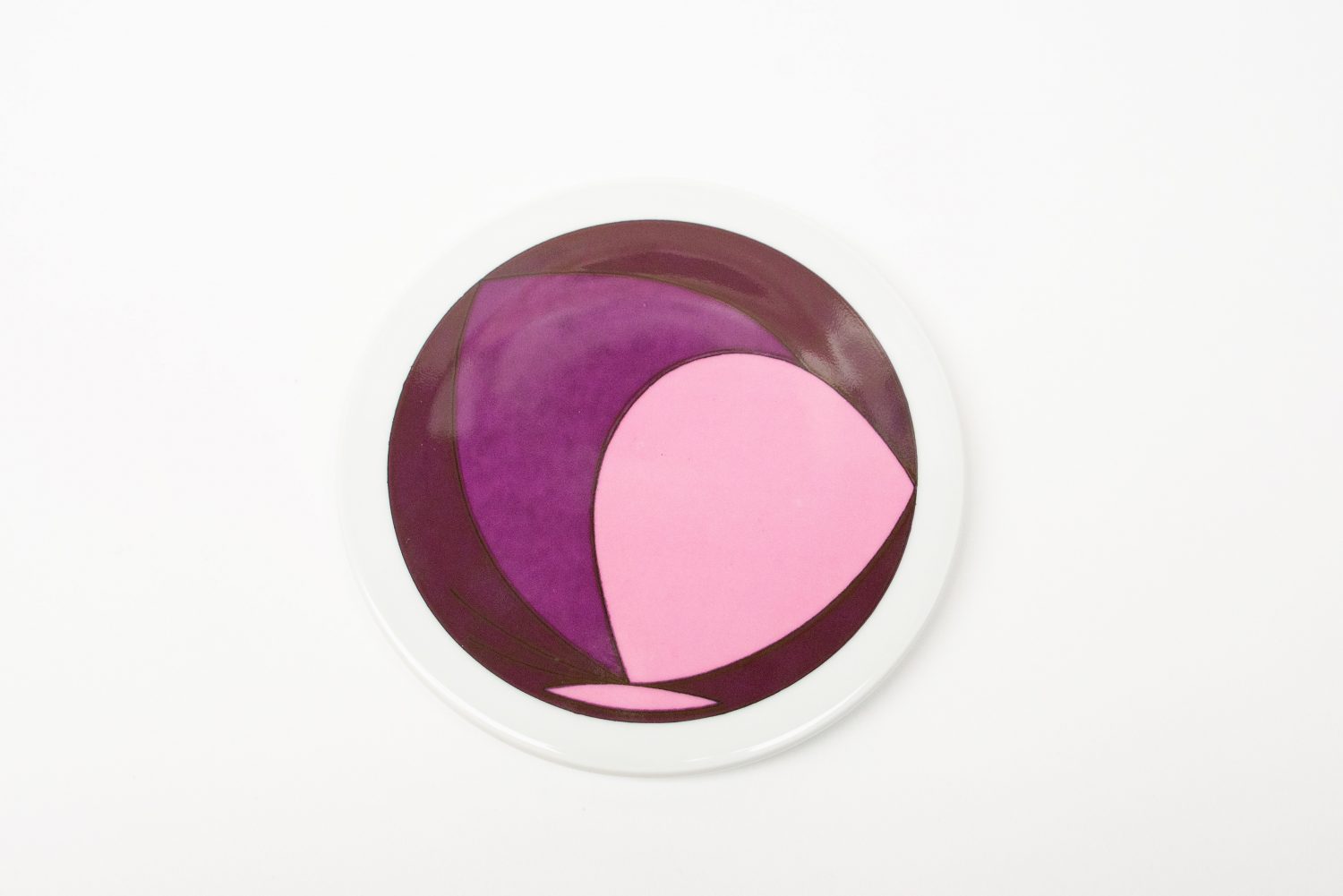
Ib Antoni for Bing & Grondahl
Jan 6

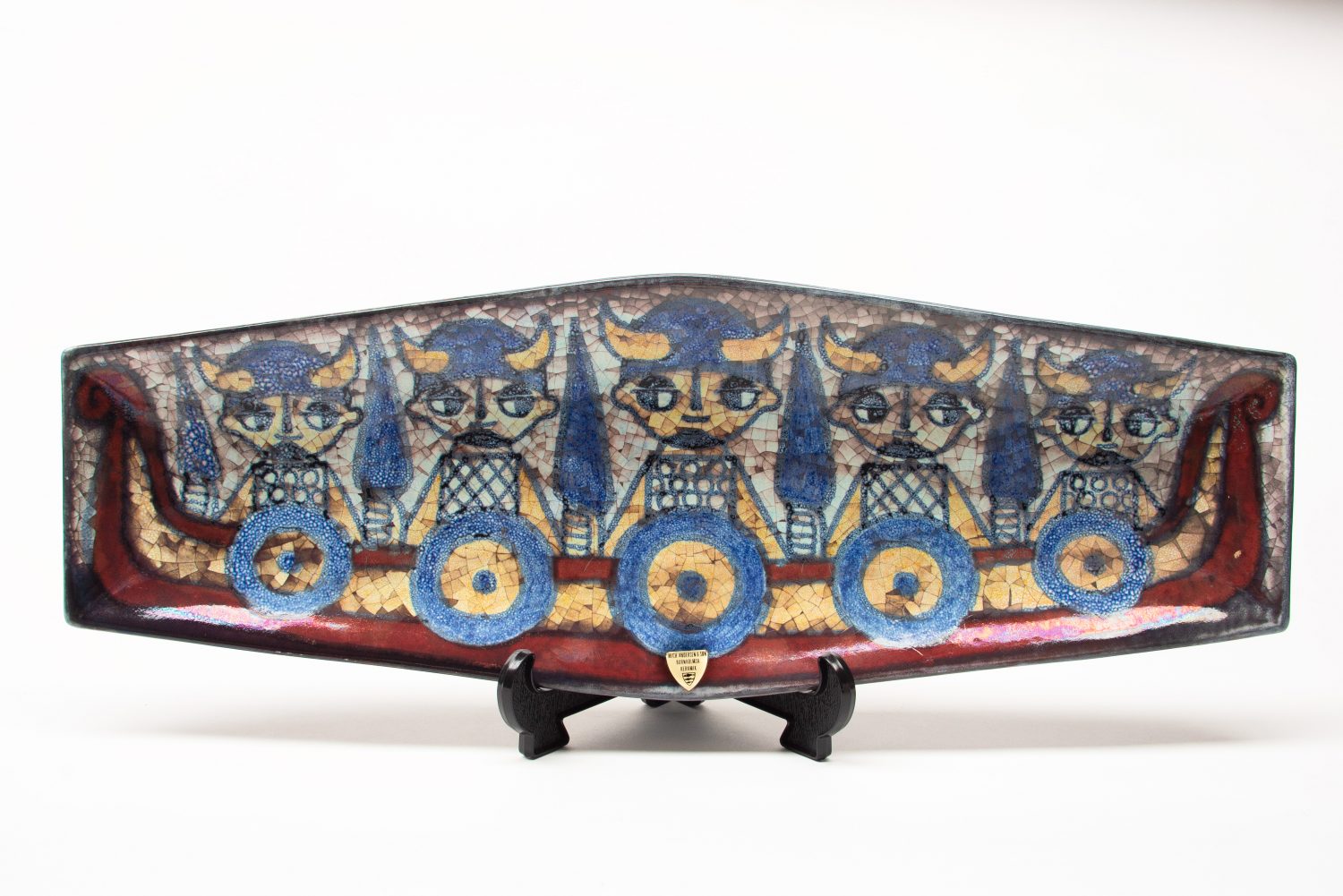
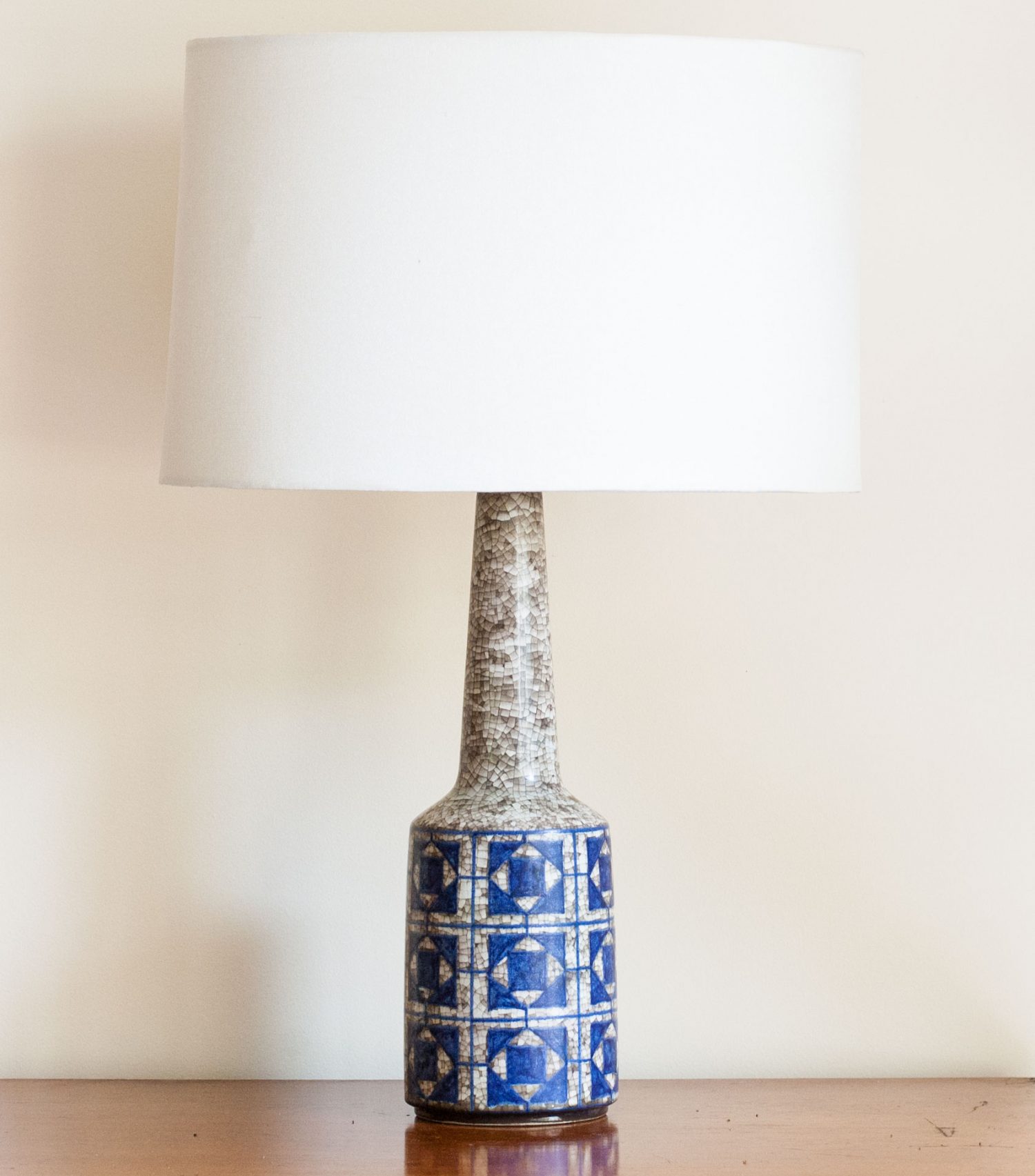
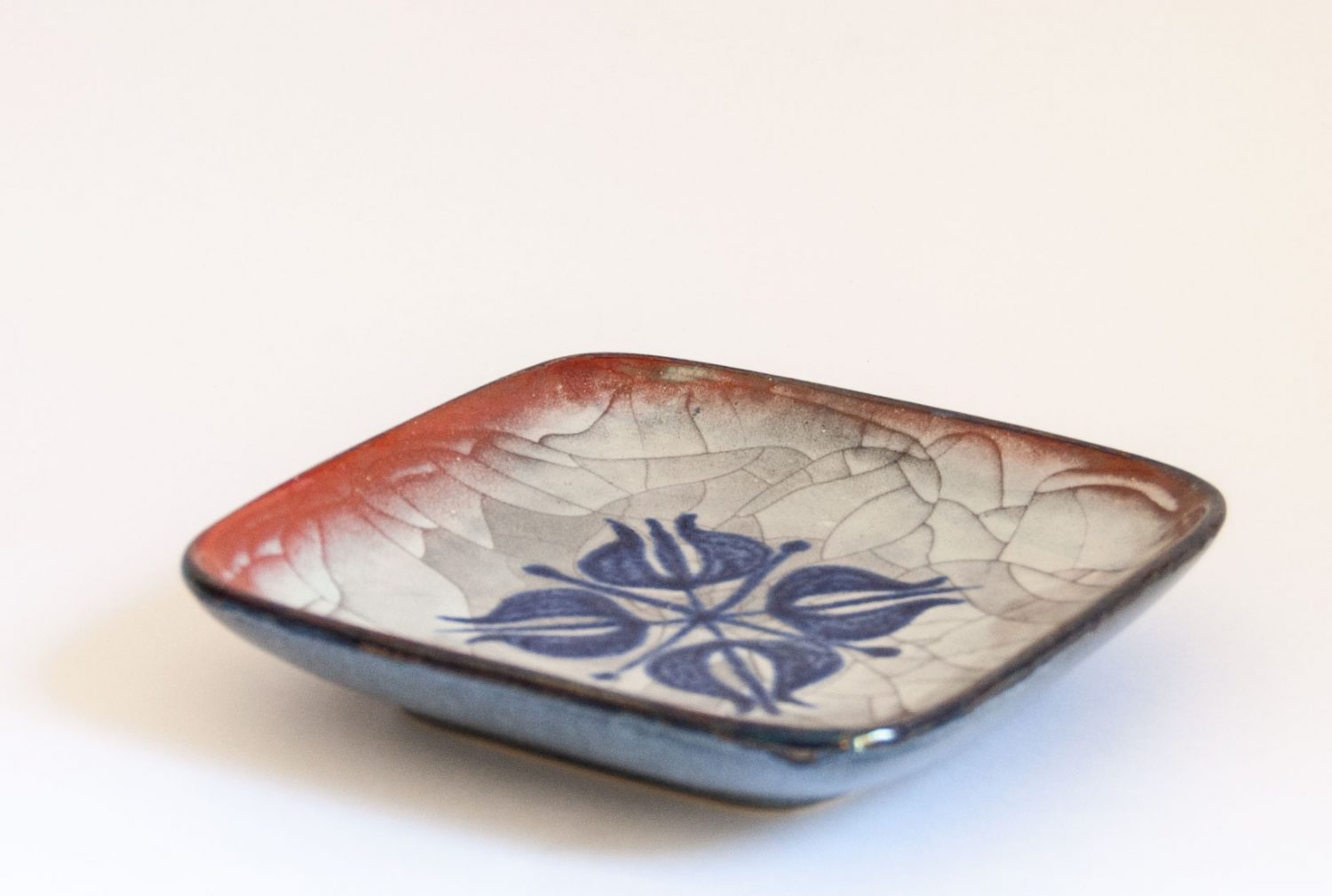
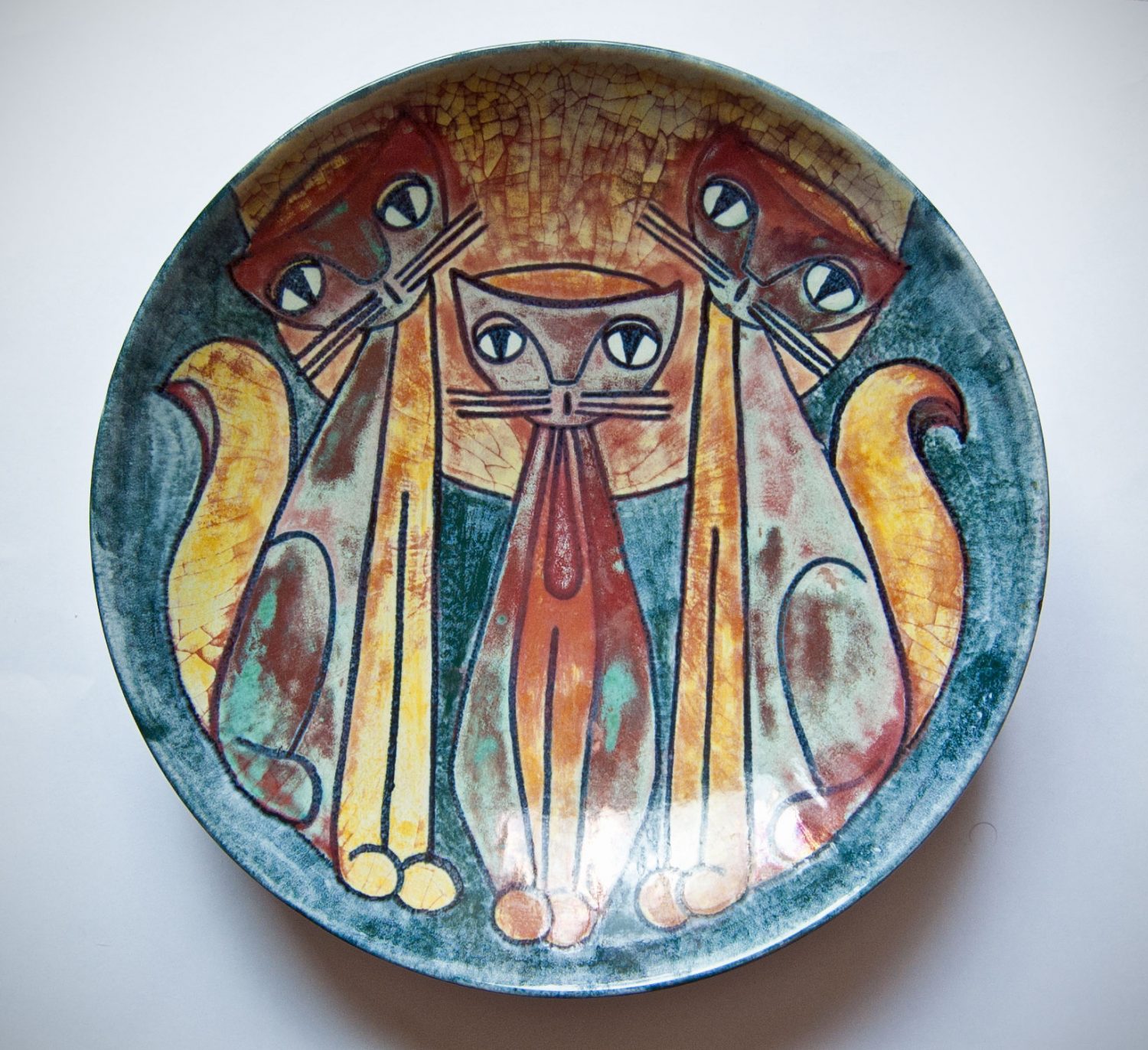
While the award winning and amazing “Persia” glaze at Michael Andersen & Sons was developed in the 1930s by Daniel Andersen (1885-1959) and used on pieces from that date, I think it is the designs of Marianne Starck at MAS & Sons in the 1950s and 1960s where the Persia glaze is seen at its best.
This complex glaze turns out differently on each piece, depending on the glaze colourants used and style of decoration. Sometimes it appears like a pearlescent multi coloured micro-mosaic, and at other times as a more subtle pattern decoration with grey pearlescent hues. Often the pieces using this glaze have beautiful but subtle oxidisation of the glaze, giving some of the colours a slightly metallic appearance – especially noticeable on the red colour of the Viking longboat in the first image below.
The glaze is also surprisingly smooth and silky to the touch. The Persia glaze was used on all types of forms – from utilitarian pieces to sculptural forms.
Below are some of my favourite pieces using the Persia glaze.